
Have you ever been captivated by the beauty of butterflies? If so, you may have wondered what their behaviors tell us about them. Learning more about their behavior can help you to become a better butterfly watcher. By understanding how they feed, bask, reproduce and respond to their environment, you’ll gain invaluable knowledge that will enable you to find them in the wild and recognize when they’re engaging in certain activities. With this understanding, you’ll be able to better appreciate all the incredible things butterflies do throughout their lives.
Butterflies exhibit a range of behaviors that help them interact with their environment. Some of these basic butterflies’ behaviors are Feeding, Basking, Roosting, Flexing their wings, Mudpuddling, and Courtship. Through all these behaviors, butterflies demonstrate fascinating adaptations that enable them to survive in different environments.
Types of Butterfly Behaviors

Butterfly behavior can be broadly classified into two categories: activity and reproductive. Activity behaviors involve the ways in which the butterfly interacts with its environment, such as feeding, basking, roosting, and mudpuddling. Additionally, butterflies exhibit courtship behaviors during mating season that allow them to find potential mates and reproduce. These behaviors are all key components of a butterfly’s life cycle that enable it to survive and thrive in its habitat. Understanding how butterflies interact with their environment is essential to becoming an experienced butterfly watcher!
Feeding
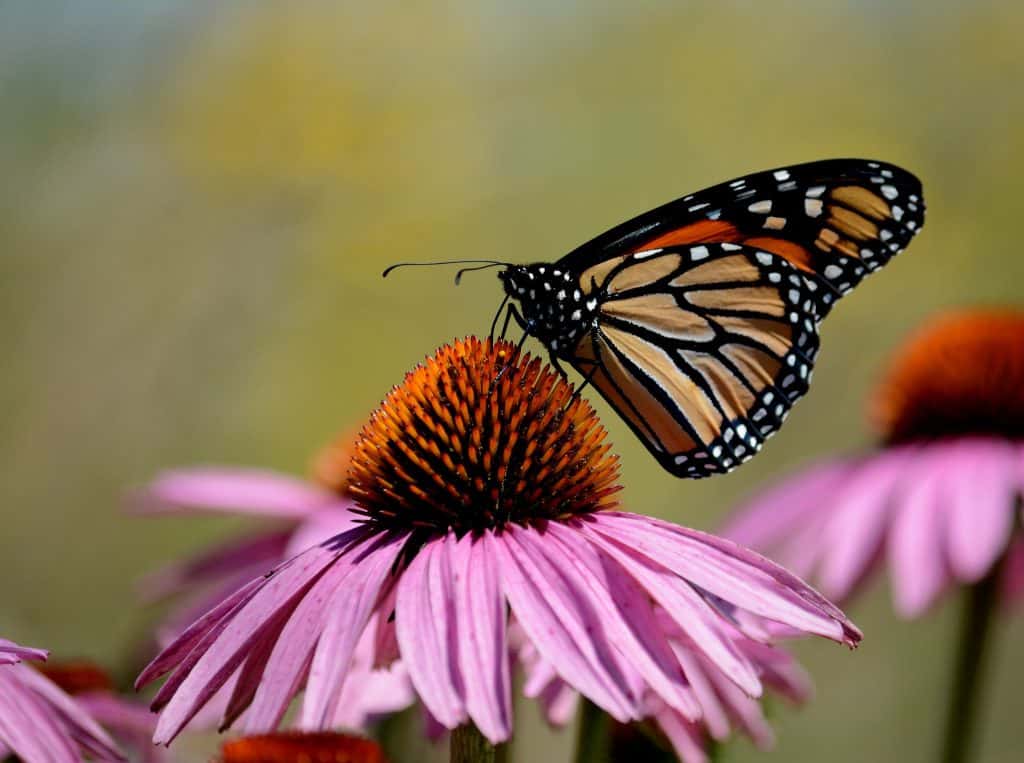
Butterfly feeding behavior will vary depending on the species and environmental conditions. Generally, butterflies prefer to feed in bright conditions when temperatures are above 10 degrees Celsius as this makes it easier for them to access nectar from flowers. During the day, they can be found fluttering from flower to flower, sipping its sugary contents with their long proboscis.
In addition, they also display distinct patterns of how they feed based on their age and reproductive cycle. For instance, younger butterflies tend to prefer more open patches of flowers while mature males aim for clumps which give them better access to females during mating season.
Butterflies are also equipped with specialized hairs and scales on their antennae and wings which help them taste the sugar-rich nectar as they fly. Their large compound eyes allow them to see a wide array of colors and patterns, helping them in their search for sweet treats. Moreover, butterflies have sensitive taste organs located on their feet that detect chemicals from flowers, guiding them to the optimum sources of nourishment.
By recognizing the different types of butterfly feeding behavior, you can get a more complete picture of how these delicate creatures interact with their surroundings. knowledge of butterfly feeding habits can be used to provide beneficial habitats for these animals, allowing them to continue thriving in their natural environment. For example, providing particular flower species or optimal temperatures can encourage butterflies to feed regularly in a given area and attract even more specimens from nearby regions into your garden.
Basking

Basking is a behavior adopted by butterflies to regulate their body temperature in order to make them more energy efficient. When the temperature is too cold for activity, butterflies bask in the sun for short periods of time and absorb heat through their wings and antennae. This heat helps them warm up their bodies and muscles, enabling them to fly and feed more efficiently.
Basking also has an important defensive purpose as it enables butterflies to look out for predators while they are exposed in the open. By taking advantage of the warmth generated by direct sunlight, butterflies are more alert and can quickly evade any potential threats that may arise during their feeding session.
In addition to adapting their behavior according to environmental conditions, learning about basking can also help butterfly watchers better appreciate these delicate creatures in their natural habitat. Knowing when and why butterflies bask helps us understand the important role sunlight plays in aiding the survival of these species.
Roosting
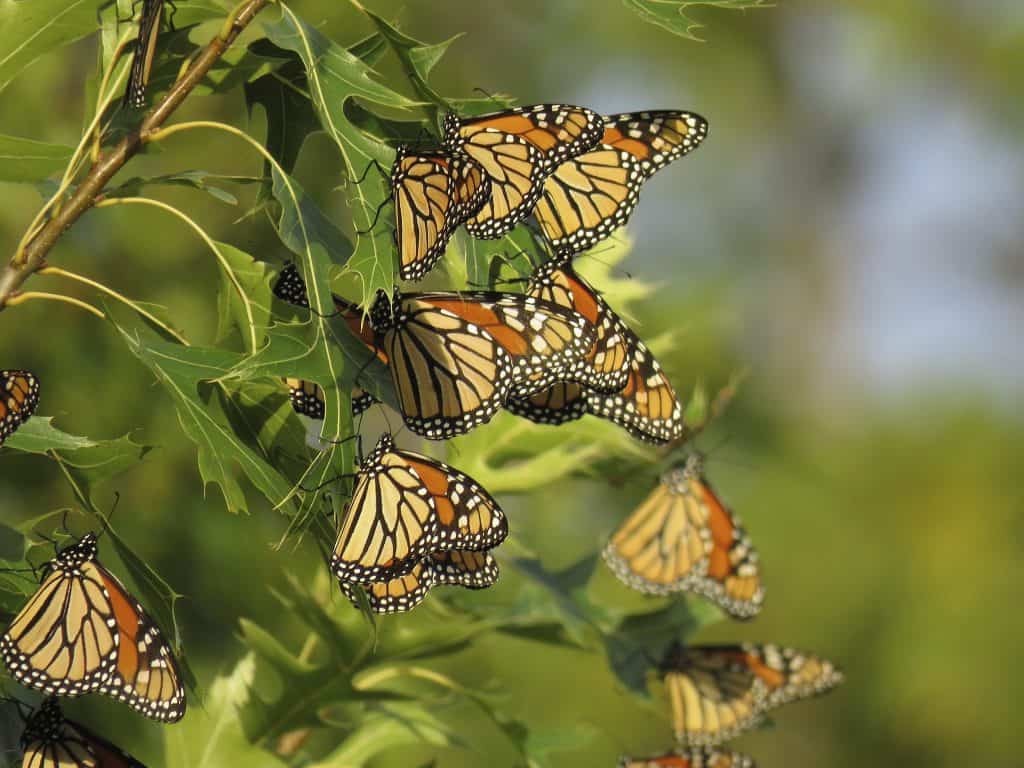
Roosting is a behavior seen in butterflies where they gather together in large groups to rest or spend the night. This communal gathering can be seen in areas with high concentrations of a single species of butterfly and typically occurs late in the afternoon when the sun starts to set. By roosting, butterflies are sheltered from environmental conditions such as wind and rain, keeping them safe during their resting periods.
Roosting also has an important social function, allowing butterflies to make contact with one another and exchange information about resources such as food and potential mates. Additionally, evidence suggests that roosting serves as an effective defense mechanism against predators who search for solitary individuals rather than large gatherings.
From an observing standpoint, learning about roosting habits can provide great insight into the behavior of these creatures and help us better appreciate them in their natural environment.
Flexing Wings
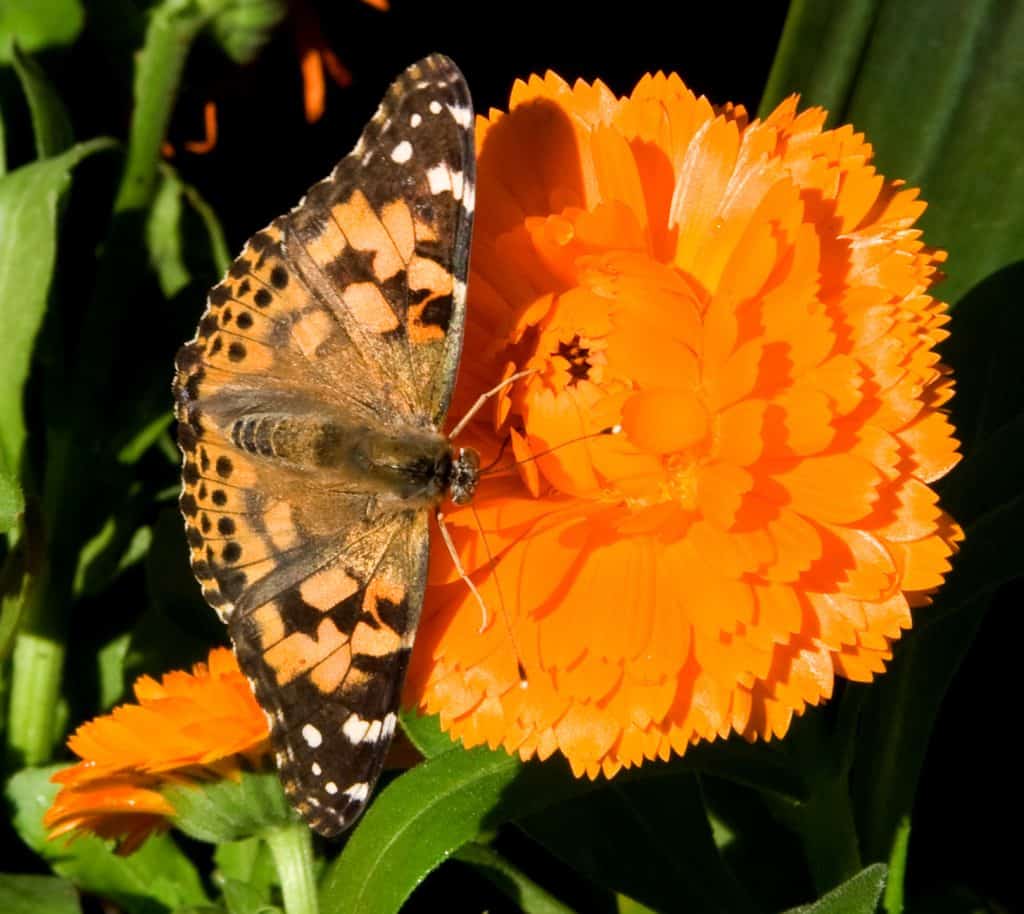
Many butterflies rely on mimicry to blend into their surroundings and avoid being attacked by predators. By spreading out their wings, some species of butterfly create intricate patterns or unusual shapes that resemble flowers or other natural elements. This technique is known as “flower-mimicking” and it is an incredibly effective form of camouflage for these creatures.
The most common type of flower-mimicking seen in butterflies is Batesian Mimicry, which uses colored markings on their wings to create a resemblance with nature in order to blend in.
Other species have evolved more complex designs that are very effective at confusing potential predators and making them harder to find.
Check this topic about how Butterfly use their wings to help them against predators
Butterflies have evolved a behavior called wing-flicking in order to deter predators from attacking them. This involves quickly raising, lowering, and flapping their wings in quick succession. The rapid motion sends out vibrations that can be detected by potential predators, who are dissuaded from attacking due to the alert signal sent out.
Additionally, wing-flicking may also help butterflies obfuscate their exact location by creating distractions and activating solar cells on the surface of their wings, making it difficult for predators to identify them while they are in flight. This behavior is often used in conjunction with other defensive techniques such as camouflage and alarm scenting to further increase a butterfly’s chances of survival.
Mudpuddling
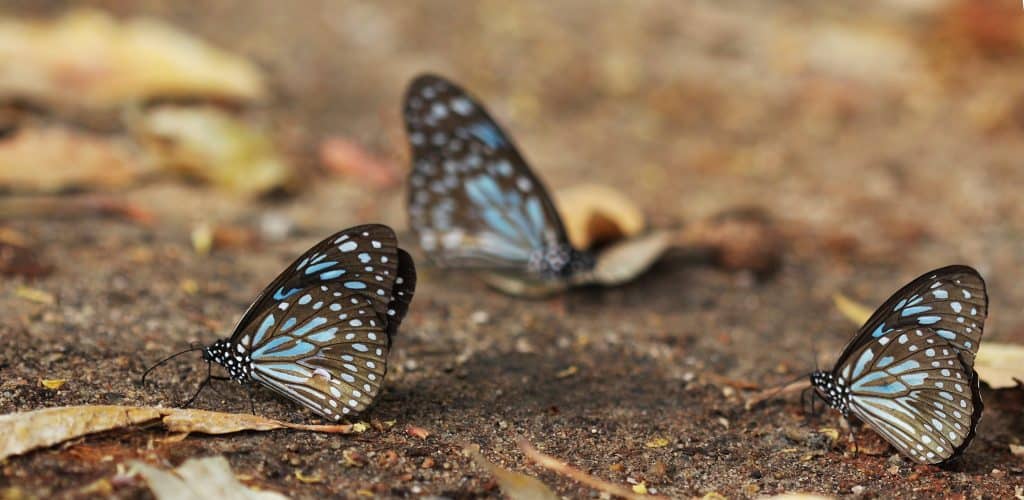
Butterflies engage in a behavior known as mudpuddling, which involves them gathering around moist patches of soil in order to reap the nutrients they need. These vital minerals, salts, and amino acids are necessary for butterflies to survive and reproduce, and so they actively seek out these mud puddles to replenish their dietary needs.
The nutrients that butterflies reap from mudpuddling include minerals such as calcium, magnesium, iron, and sodium; salts such as ammonium sulfate; amino acids like leucine and iso-leucine; sugars such as glucose and fructose; proteins such as serine and alanine; fatty acids like linoleic acid; and sterols like cholesterol. All of these vital components are essential for helping butterflies stay healthy and thrive.
The process of mudpuddling also helps butterflies regulate their body temperature. The damp soil gives off heat that can help cool them down on hot days and provide insulation on chillier nights. Additionally, the moistness of the soil can help keep butterfly wings flexible, making it easier for them to fly.
Courtship
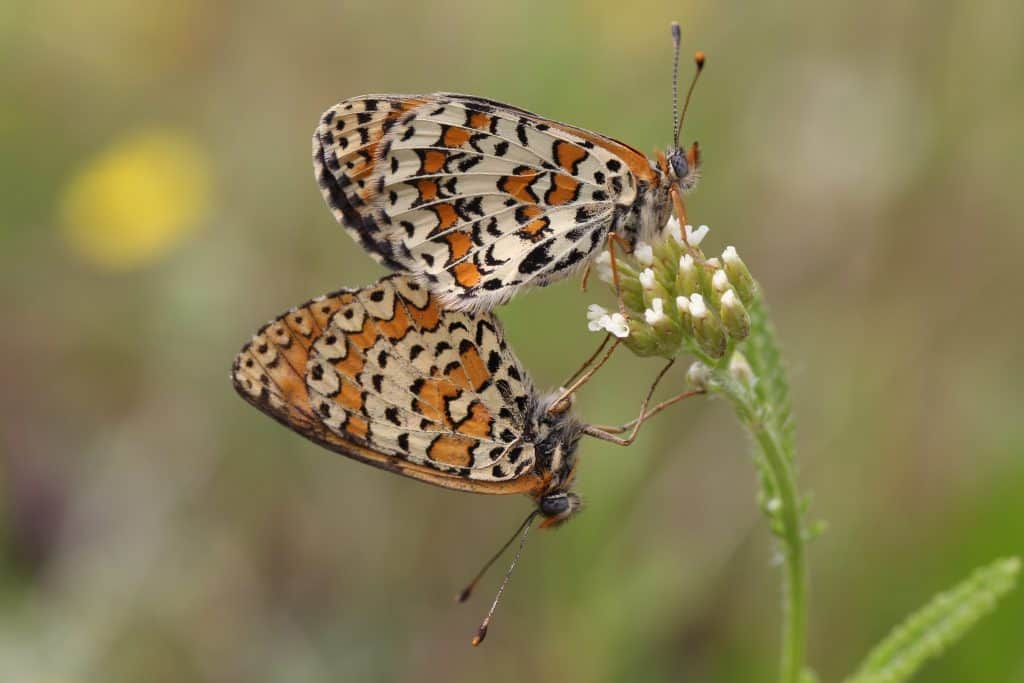
Courtship in butterflies is an essential part of the process of reproduction. When males are searching for a mate, they fly from plant to plant looking for potential female partners. Once they’ve found a female they’re interested in, they perform a “mating dance” as a way of showing their interest. This can involve anything from vibrating their wings to fanning out their antennae. In some species, like monarchs, males may also present her with a gift like nectar or fruit as part of the courtship ritual.
If the female finds him attractive and agrees to mate with him, he will continue the mating dance before attempting to join his abdomen to hers for copulation. During this final step of courtship, if something scares them during the attempt at connecting abdomens, it’s not uncommon for them to break apart and start over again until successfully mated.
Once mated, females typically lay eggs almost immediately after copulation. Depending on the species and environmental conditions, eggs may take anywhere from days to weeks before hatching into larvae (caterpillar). The larvae then feed on leaves and other foliage before entering into diapause (hibernation). After several weeks or months in diapause, depending on temperature changes and other external factors, larvae then enters pupation where they form cocoons or chrysalis on plants or other nearby surfaces. After another week or so inside pupal cases—adult butterflies emerge ready to start the whole courtship-mating cycle all over again!
Butterfly Responses to the Environment
Butterflies are incredibly sensitive to their environment and display a wide range of behaviors in response. One of the most well-known responses is color change, as seen with many species that use it to blend into their surroundings or ward off potential predators. Other countermeasures include rapid wing beats which serves to startle or confuse predators while others may flash bright colors when disturbed.
Butterflies also use their environment to determine the best time for mating and other activities such as egg-laying and hibernation. Temperature and humidity levels can influence when butterflies will emerge from diapause and begin their reproductive cycles. Many species may also migrate long distances in response to seasonal shifts, taking advantage of optimal conditions for life stages such as oviposition (egg-laying) or hibernation.
Foraging is another important way butterflies respond to the environment. Different food sources like host plants, nectar, mud puddles, sap flows, and even dung can be found depending on the butterfly species’ habitat preferences. As temperatures and humidity levels change, butterflies will often search out new food sources or move towards sunnier areas to warm up faster.
Finally, light intensity plays a major role in butterfly behavior as well. Bright sunlight usually causes them to become active during the day while dusk is a common cue for them to find shelter if needed during the night. By paying close attention to its surroundings, a butterfly can use its unusual sensitivity to adjust its behavior, when necessary, thus ensuring its survival!
Adaptive Behaviors of Butterflies
Other adaptive behaviors of butterflies include the ability to find their way back home via orientation flight and wind drift-compensation, as well as thermoregulation techniques that help them maintain their optimal body temperature even in hot or cold climates.
Additionally, some species can also sense water vapor in order to locate water sources such as streams and ponds.
Another adaptive behavior is that many butterfly species emit pheromones which allow them to communicate with other members of their species, indicating when it’s time to mate or when predators are near.
Also, Butterflies have the ability to produce sounds as a form of communication. Certain species make courtship clicks or wing buzzes that help them find mates and ward off predators.
Here is a Fun Fact I wrote about: Butterflies Hear With their WingsWhile some species have evolved chemical defenses for protection against predators. For example, the Monarch butterfly produces a chemical substance known as cardenolide which is toxic to potential predators.
Lastly, there is also evidence that butterflies are capable of learning from experience such as avoiding certain colors due to painful experiences with poisonous plants or remembering where their food sources are located.
All these adaptations demonstrate the remarkable abilities of these delicate creatures and highlight their importance in the natural world.
Conclusion
To sum up, learning the behavior of butterflies can make you a better observer. There are a variety of behaviors ranging from feeding and basking to roosting and mudpuddling that have been observed in different species. In addition, butterflies have adapted behaviors related to navigation, understanding water sources, chemical defenses, and learning through experience.
As an observer of these curious creatures, now you have more knowledge and understanding of why they behave the way they do.
Remember the world around us has much to offer and the study of nature is fascinating.
Now go out there and get exploring!
Recent Posts
How Can I Create A Habitat For Skipper Butterflies In My Garden With 3 Easy Plants
Skipper butterflies are a diverse group of insects that are found all over the world. They are known for their quick, darting flight and their often colorful wings. Skippers are attracted to...
Common Species Of Butterflies In Maryland: 21 Unique Species
Maryland is home to a variety of beautiful butterflies, from the large and showy Eastern Tiger Swallowtail to the tiny and delicate Blue Dasher. There are over 150 species of butterflies in Maryland,...